
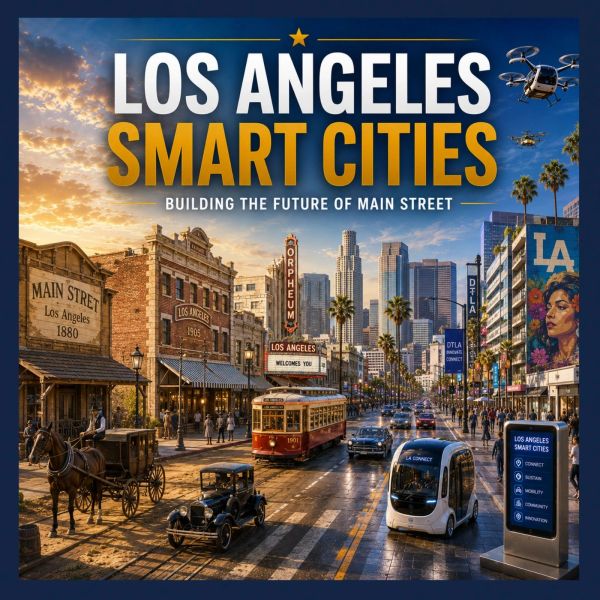
LOS ANGELES SMART CITIES
Los Angeles Smart Cities aligns the region's past with its future. First, we preserve the stories that shaped our neighborhoods across the first three industrial revolutions. Our history campaigns focus on how innovation shaped yesterday's decisions and continues to influence life today.
Our Future of Restaurants, Retail, and Hotels initiatives prepare businesses for the opportunities of the Fourth Industrial Revolution. At the same time, the upcoming hyper-local campaigns will reconnect residents and tourists with neighborhood businesses, parks, hiking trails, and history. Together, these efforts strengthen local economies, celebrate community heritage, and create lasting connections across Los Angeles.
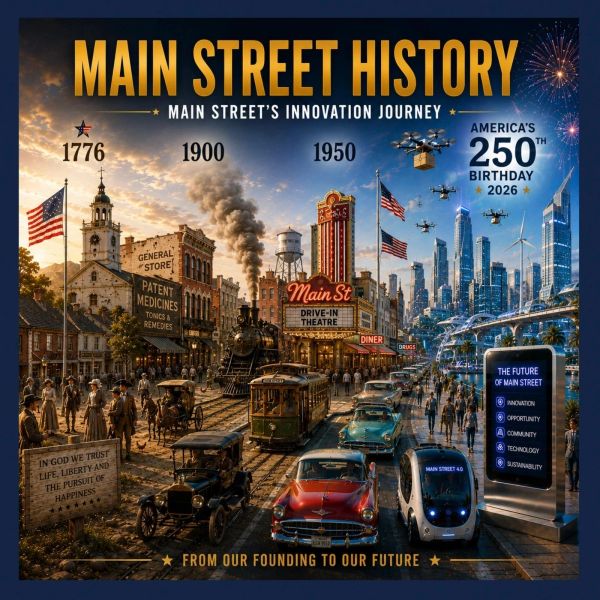
THE INNOVATION JOURNEY
Los Angeles's innovation journey began during the Second Industrial Revolution from 1870 to 1914. Railroads, electricity, telephones, clean water systems, modern manufacturing, and expanding commerce transformed small settlements into thriving Main Street cities. Businesses grew, neighborhoods expanded, and civic institutions.
The Third Industrial Revolution reshaped suburban life from 1950 to 2025. Interstate highways, commercial aviation, personal computers, the internet, mobile phones, GPS, and digital communications changed how businesses connected across the San Diego region.
Today, Los Angeles enters the Fourth Industrial Revolution. Los Angeles Smart Cities aligns the region's past with its future by connecting the lessons of earlier industrial revolutions with the technologies shaping tomorrow. Understanding where San Diego has been provides the perspective needed to lead our region forward.

Main Street Foundations
The Rise of Main Street Campaigns
The Rise of Main Street Campaigns
Main Street Foundations explores the top technological innovations of the 1st Industrial Revolution from 1750 to 1830. Discover the breakthroughs that built early Main Street.
The Rise of Main Street Campaigns
The Rise of Main Street Campaigns
The Rise of Main Street Campaigns
Discover how the 2nd Industrial Revolution built thriving Main Street cities as railroads, electricity, telephones, and modern industry fueled growth across America.
The Rise of Suburbia Campaigns
The Rise of Main Street Campaigns
The Rise of Suburbia Campaigns
Discover how the 3rd Industrial Revolution transformed America into suburban communities. Explore technologies that reshaped communities across Los Angeles.
Local Fallen Heroes Campaigns
The Rise of Main Street Campaigns
The Rise of Suburbia Campaigns
Main Street History honors local Fallen Heroes through community campaigns that celebrate their service, sacrifice, and legacy. Our campaigns will help ensure their stories are preserved.
Black Innovators Campaigns
Videos from Local Teachers / Leaders
Women Trailblazers Campaigns
Main Street History proudly presents Black innovators who shaped local communities during the 2nd and 3rd Industrial Revolutions. Discover their lasting contributions to LA.
Women Trailblazers Campaigns
Videos from Local Teachers / Leaders
Women Trailblazers Campaigns
Main Street History presents Women Trailblazers who shaped communities during the 2nd and 3rd Industrial Revolutions. Discover their lasting contributions across LA communities.
Videos from Local Teachers / Leaders
Videos from Local Teachers / Leaders
Videos from Local Teachers / Leaders
Visit a Technology Station to watch short videos from elected officials, historians, and teachers. Discover local stories, community milestones, and the people shaping Orange County.
Gamified History Campaigns
Videos from Local Teachers / Leaders
Videos from Local Teachers / Leaders
Main Street History makes learning fun with interactive games, local challenges, and rewards. Our mission is to reconnect residents with Main Street history, businesses, and community.
Get to Know Los Angeles Restaurants
Get to Know Los Angeles Retail Stores
Get to Know Los Angeles Retail Stores
Our Los Angeles campaign connects residents and visitors with local restaurants. Discover great places to eat, learn their stories, and support the businesses that strengthen Main Street.
Get to Know Los Angeles Retail Stores
Get to Know Los Angeles Retail Stores
Get to Know Los Angeles Retail Stores
Our Los Angeles campaign connects residents and visitors with local retail stores. Discover unique shops, meet local business owners, and support the businesses that strengthen Main Street.
Get to Know Los Angeles Hotels
Get to Know Los Angeles Retail Stores
Get to Know Los Angeles Hotels
Our Los Angeles campaign connects residents and visitors with local hotels and resorts. Discover comfortable places to stay, nearby attractions, and welcoming hospitality across the region.
Get to Know Los Angeles Parks
Get to Know Los Angeles Retail Stores
Get to Know Los Angeles Hotels
Our local campaign connects residents and visitors with parks and hiking trails. Discover peaceful places to relax, explore nature, and experience the beauty of East County.
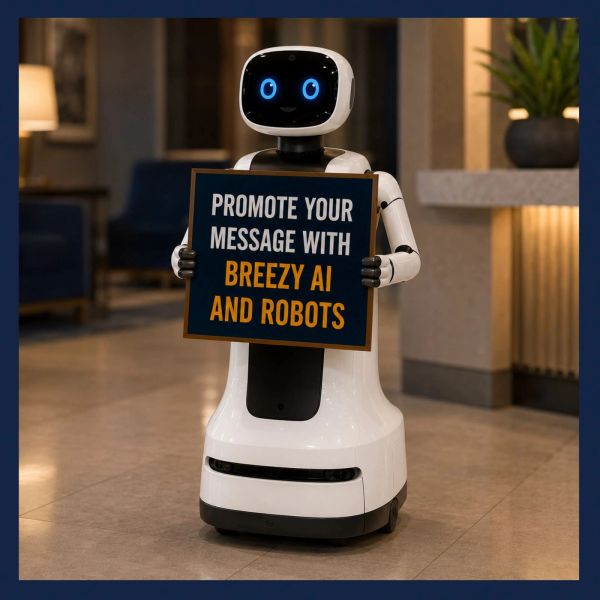
BREEZY PHYSICAL AI (ROBOT)
Los Angeles Smart Cities is preparing the next phase of the Future of Main Street by bringing interactive robots to Los Angeles. Beginning in Summer 2026, visitors will experience friendly technology designed to introduce them to local businesses, history, and nature. The Los Angeles pilot will serve as a showcase for modern hospitality, retail, and tourism.
Interactive robots will help customers navigate retail stores, guide hotel guests to their rooms, and explain restaurant menus before employees arrive. Each experience is designed to support staff, answer common questions, and create memorable first impressions. Coming in Summer 2026, Los Angeles will demonstrate how robotics and hospitality work together.
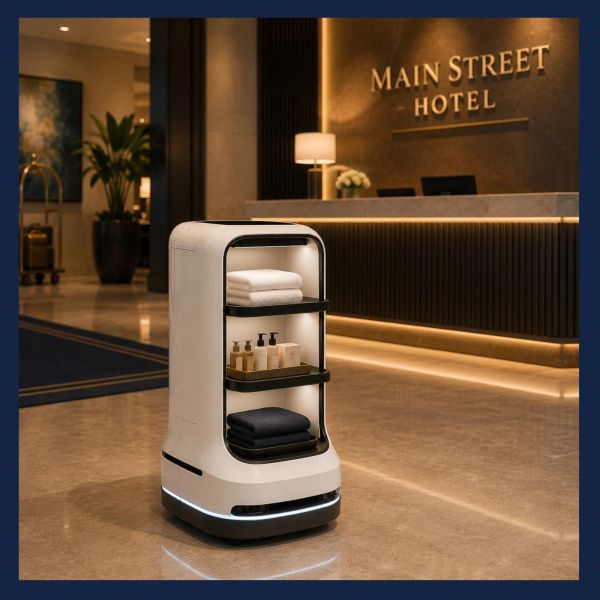
DELIVERY ROBOTS
Los Angeles Smart Cities will introduce delivery robot teams to demonstrate the future of hospitality, retail, and restaurant operations. Delivery robots will transport room service throughout hotels, deliver meals inside restaurants, and move retail products from back storage areas to the sales floor. These demonstrations will help businesses explore practical ways robotics can support daily operations while improving service consistency.
Our human-centered campaigns focus on using technology to reduce employee task loads, not replace employees. Delivery robots handle routine transportation tasks, so team members spend less time walking. The reduced task load allows for more time to answer questions, build relationships, and create meaningful human interactions that define exceptional customer service.
VR FOR GOOD EXPERIENCES
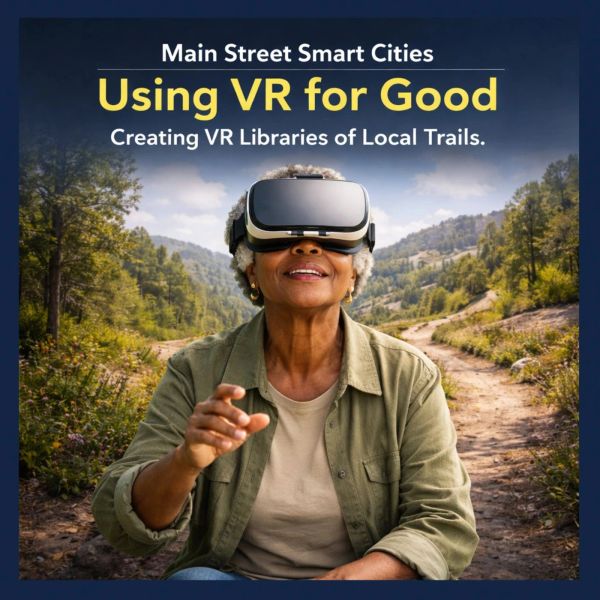
Los Angeles Smart Cities is launching the world's first large-scale VR for Good community project. Our production teams are recording East Village parks, hiking trails, and places of worship using immersive 360-degree video. These experiences will be available for free through our YouTube VR channel.
These relaxing VR nature experiences are designed to provide peaceful escapes for lonely seniors, hospital patients, stressed students, and anyone seeking a restorative environment. Each immersive experience offers a quiet opportunity to slow down, reduce stress, and enjoy beautiful natural surroundings.
ONBOARDING NEW RESIDENTS
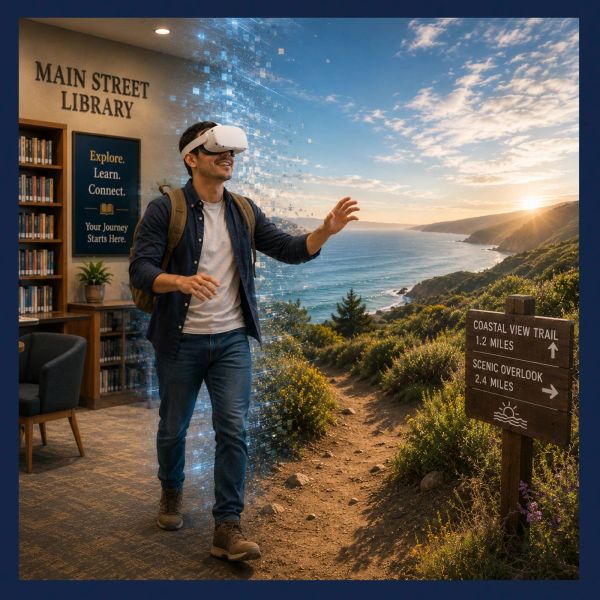
San Diego Smart Cities will edit these park and hiking trail videos into welcoming experiences designed for new city residents. Participating libraries will offer free VR nature trips that introduce local parks, scenic overlooks, walking paths, and outdoor recreation opportunities. Each experience will help residents become familiar with the community before visiting these destinations in person.
Our goal is to help new residents discover their favorite outdoor spaces, learn how to reserve picnic areas, and better understand available community resources. Each VR experience includes a welcome message from an elected official, creating a personal introduction that helps residents feel informed, connected, and at home.
2035 TIME CAPSULE PROJECT
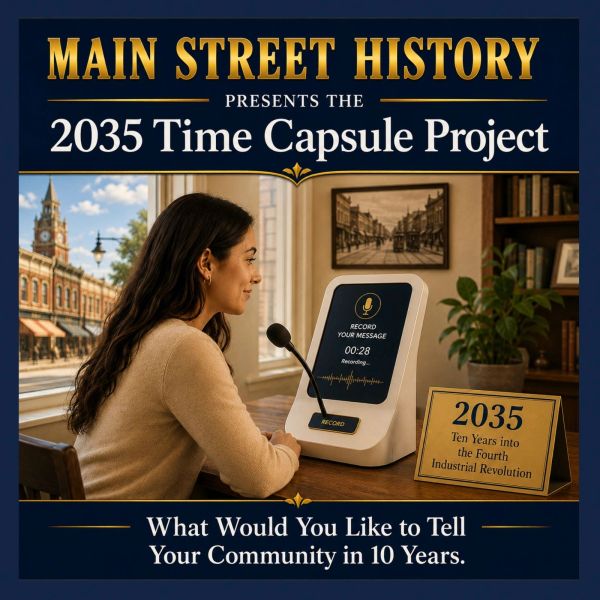
The 2035 Time Capsule Project invites San Diego residents, business owners, and community leaders to record a short message for the people who will live here in 2035. As the Third Industrial Revolution comes to a close, these recordings preserve our stories, values, hopes, and lessons before the next chapter of history begins. Together, they create a community time capsule for future generations to better understand our challenges and dreams for a better tomorrow.
In 2035, residents will have spent 10 years living in the Fourth Industrial Revolution. A new frontier where AI, robotics, autonomous transportation, flying taxis, and other emerging technologies have reshaped everyday life. This project asks a simple question: What values, traditions, and lessons should move forward with us? Every recording becomes a lasting gift from today's community to tomorrow's residents.