
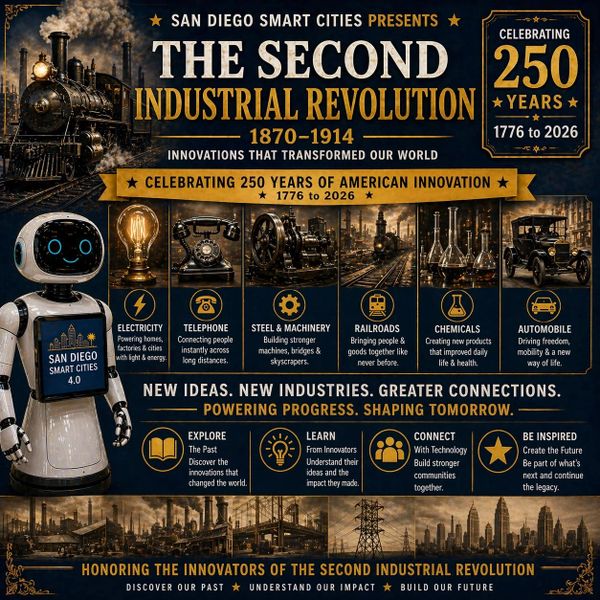
RISE OF MAIN STREET CITIES
Main Street 2.0 was a season of remarkable resilience. Local communities faced rapid change, economic pressure, and new expectations. Railroads stitched cities together and allowed businesses to reach distant customers. Telegraph lines carried messages that once took days and turned them into moments. Steam power expanded production and gave small towns the strength to compete. New farming tools increased yields and gave families a chance to build stability. Expanded postal routes helped people stay connected during uncertain times and spread knowledge that shaped new ideas.
LANDING PAGE CONTENT
- Main Street History Regions
- Family and Social Life Impacts
- Economic Impacts
- Infrastructure Impacts
- Educational Impacts

The Social Impact of Innovation
The Infrastructure Impact of Innovation
The Economic Impact of Innovation
Innovation reshaped daily life as railroads, phones, electricity, and improved mail networks helped Main Street residents connect more quickly, share ideas, expand businesses, and build stronger community ties.
The Economic Impact of Innovation
The Infrastructure Impact of Innovation
The Economic Impact of Innovation
New inventions brought more customers, cut costs, sped up work, raised pay, filled towns with new families, helped shops grow, improved travel, and made Main Street busier and stronger. Click below to follow our progress.
The Infrastructure Impact of Innovation
The Infrastructure Impact of Innovation
The Infrastructure Impact of Innovation
Innovation strengthened Main Street through new railroads, postal systems, electricity, and telephones, expanding trade, boosting local businesses, and preparing communities for a better economic future.
The Educational Impact of Innovation
The Infrastructure Impact of Innovation
The Infrastructure Impact of Innovation
Innovation expanded libraries, improved schools, spread newspapers, and opened vocational training, giving Main Street residents broader knowledge, practical skills, and a clearer path into emerging opportunities.
The Impacts of Connected Railroads
The Impacts of Refrigerated Rail Cars
The Impacts of Connected Railroads
Railroads connected Main Street to regional and national markets. Businesses received goods faster, expanded offerings, and reached more customers to increase opportunities.
The Impacts of Electricity
The Impacts of Refrigerated Rail Cars
The Impacts of Connected Railroads
Electric lighting extended business hours on Main Street and improved safety after dark. Stores stayed open longer, attracting customers and increasing social activity across communities.
The Impacts of the Telephone
The Impacts of Refrigerated Rail Cars
The Impacts of Refrigerated Rail Cars
The telephone connected Main Street instantly. Faster communication improved coordination, reduced delays, and strengthened relationships within growing local and regional markets.
The Impacts of Refrigerated Rail Cars
The Impacts of Refrigerated Rail Cars
The Impacts of Refrigerated Rail Cars
Refrigerated rail cars allowed fresh food to travel long distances to Main Street. New products improved diets and expanded business opportunities.
The Impacts of Assembly Lines
The Impacts of Steel Construction
The Impacts of Assembly Lines
Assembly line production increased manufacturing speed and lowered costs. Lower prices attracted customers and boosted sales.
The Impacts of Streetcars
The Impacts of Steel Construction
The Impacts of Assembly Lines
Streetcars connected neighborhoods to Main Street. More people accessed shops, restaurants, and services, expanding customer bases and supporting steady local economic growth.
The Impacts of Mass Production
The Impacts of Steel Construction
The Impacts of Steel Construction
Mass production lowered costs and increased product availability on Main Street. Stores offered affordable goods, attracting more customers and supporting the rise of consumer culture.
The Impacts of Steel Construction
The Impacts of Steel Construction
The Impacts of Steel Construction
Steel construction enabled stronger buildings and larger storefronts on Main Street. Businesses expanded spaces, improved durability, and created more prominent commercial districts.
The Impacts of the Telegraph
Department Stores and Social Shopping
The Impacts of Indoor Plumbing
The telegraph allowed rapid long-distance communication. Businesses coordinated shipments, tracked prices, and responded faster to market changes..
The Impacts of Indoor Plumbing
Department Stores and Social Shopping
The Impacts of Indoor Plumbing
Indoor plumbing improved sanitation. Restaurants, hotels, and shops offered better conditions, attracting customers and supporting public health improvements.
Department Stores and Social Shopping
Department Stores and Social Shopping
Department Stores and Social Shopping
Mail-order catalogs expanded Main Street commerce beyond local boundaries. Customers accessed goods from distant suppliers.
Printed Newspapers Connect Families
Department Stores and Social Shopping
Department Stores and Social Shopping
Mechanical cash registers improved accountability. Businesses reduced errors, tracked sales, and built customer trust through more reliable payment processing systems.
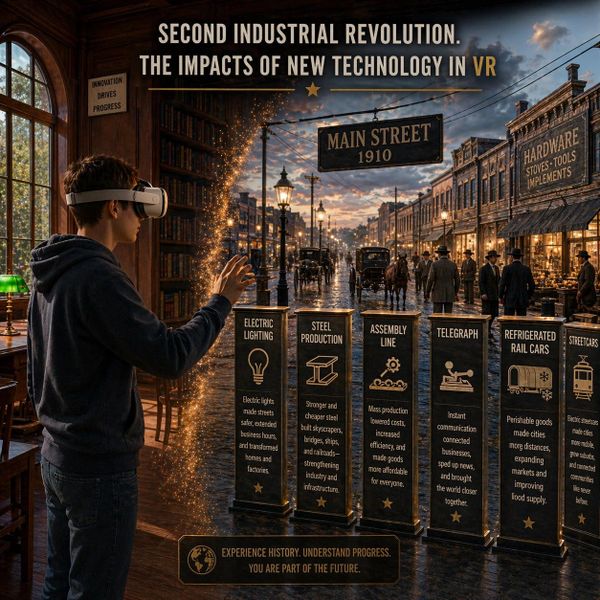
RISE OF MAIN STREET CITIES
Main Street 2.0 was a season of remarkable resilience. Local communities faced rapid change, economic pressure, and new expectations. Railroads stitched cities together and allowed businesses to reach distant customers. Telegraph lines carried messages that once took days and turned them into moments. Steam power expanded production and gave small towns the strength to compete. New farming tools increased yields and gave families a chance to build stability. Expanded postal routes helped people stay connected during uncertain times and spread knowledge that shaped new ideas.
LANDING PAGE CONTENT
- Main Street History Regions
- Family and Social Life Impacts
- Economic Impacts
- Infrastructure Impacts
- Educational Impacts
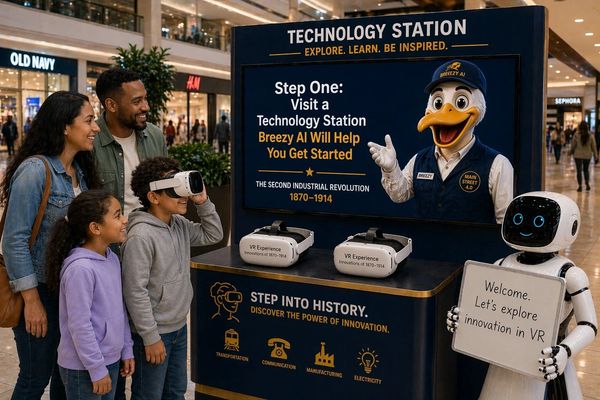
STEP ONE: VISIT TECHNOLOGY STATION
Main Street Smart Cities was founded by a group of travel enthusiasts with a passion for exploring the world. Our goal is to share our love of travel with others and help them create unforgettable memories.
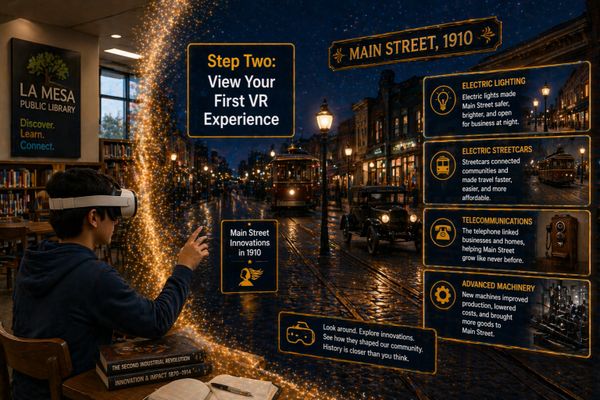
STEP TWO: VIEW YOUR FIRST VR EXPERIENCE
We offer travel packages to some of the most breathtaking destinations around the world, from exotic tropical islands to bustling cities. Let us help you plan your next adventure.
El Cajon Fallen Heroes VR World
Lemon Grove Fallen Heroes VR World
El Cajon Fallen Heroes VR World
Electric lighting spread through towns after 1880. Businesses stayed open later, increasing sales and attracting customers during evening hours across Main Street districts.
La Mesa Fallen Heroes VR World
Lemon Grove Fallen Heroes VR World
El Cajon Fallen Heroes VR World
Telephone networks expanded after 1877. Merchants communicated quickly with suppliers and customers, reducing delays and improving coordination across daily business operations.
Santee Fallen Heroes VR World
Lemon Grove Fallen Heroes VR World
Lemon Grove Fallen Heroes VR World
Cash registers were introduced in the 1870s. Stores recorded sales reliably, reduced theft, and improved financial tracking within Main Street retail environments.
Lemon Grove Fallen Heroes VR World
Lemon Grove Fallen Heroes VR World
Lemon Grove Fallen Heroes VR World
Electric streetcars expanded widely after 1888. Reliable transit brought more customers into commercial districts and supported business growth across Main Street.
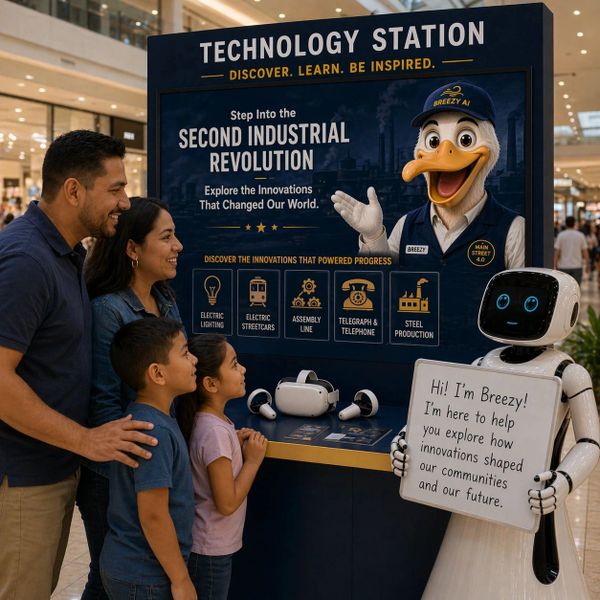
RISE OF MAIN STREET CITIES
Main Street 2.0 was a season of remarkable resilience. Local communities faced rapid change, economic pressure, and new expectations. Railroads stitched cities together and allowed businesses to reach distant customers. Telegraph lines carried messages that once took days and turned them into moments. Steam power expanded production and gave small towns the strength to compete. New farming tools increased yields and gave families a chance to build stability. Expanded postal routes helped people stay connected during uncertain times and spread knowledge that shaped new ideas.
LANDING PAGE CONTENT
- Main Street History Regions
- Family and Social Life Impacts
- Economic Impacts
- Infrastructure Impacts
- Educational Impacts
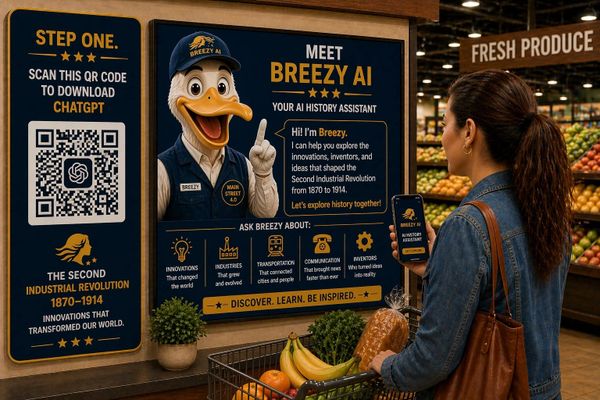
STEP ONE: DOWNLOAD CHATGPT (FREE)
Main Street Smart Cities was founded by a group of travel enthusiasts with a passion for exploring the world. Our goal is to share our love of travel with others and help them create unforgettable memories.
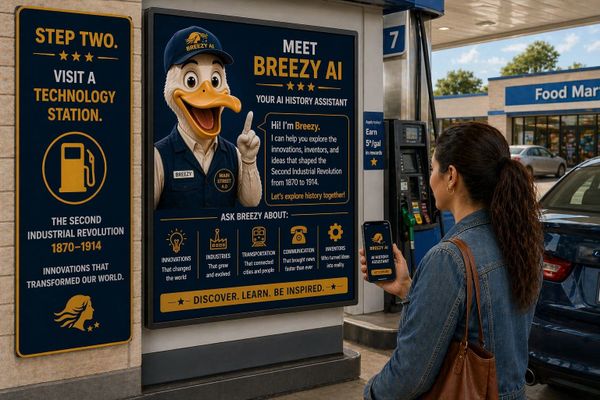
STEP TWO: VISIT A TECHNOLOGY STATION
We offer travel packages to some of the most breathtaking destinations around the world, from exotic tropical islands to bustling cities. Let us help you plan your next adventure.
El Cajon Breezy AI Campaign
Lemon Grove Breezy AI Campaign
El Cajon Breezy AI Campaign
Electric street lighting replaced gas lamps across towns. Streets became safer at night, supporting extended business hours and increased activity in local commercial districts.
La Mesa Breezy AI Campaign
Lemon Grove Breezy AI Campaign
El Cajon Breezy AI Campaign
Telephone lines connected businesses and community services directly. Faster communication improved coordination, reduced delays, and strengthened daily operations across Main Street and surrounding areas.
Santee Breezy AI Campaign
Lemon Grove Breezy AI Campaign
Lemon Grove Breezy AI Campaign
Electric streetcars moved residents efficiently across growing towns. Reliable transit connected neighborhoods to Main Street, increasing access to jobs, shopping, and community services.
Lemon Grove Breezy AI Campaign
Lemon Grove Breezy AI Campaign
Lemon Grove Breezy AI Campaign
Modern sewer systems replaced open waste disposal methods. Cleaner streets reduced disease risks and supported safer living conditions for growing Main Street populations.
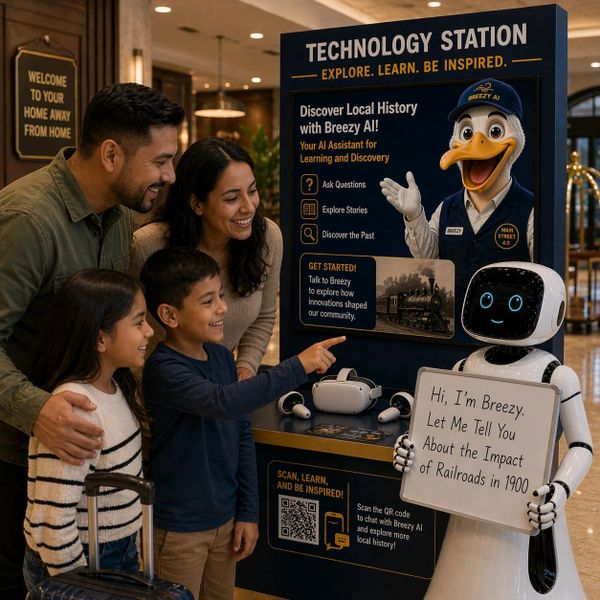
BREEZY PHYSICAL AI (ROBOT)
Main Street 2.0 was a season of remarkable resilience. Local communities faced rapid change, economic pressure, and new expectations. Railroads stitched cities together and allowed businesses to reach distant customers. Telegraph lines carried messages that once took days and turned them into moments. Steam power expanded production and gave small towns the strength to compete. New farming tools increased yields and gave families a chance to build stability. Expanded postal routes helped people stay connected during uncertain times and spread knowledge that shaped new ideas.
LANDING PAGE CONTENT
- Main Street History Regions
- Family and Social Life Impacts
- Economic Impacts
- Infrastructure Impacts
- Educational Impacts

STEP ONE: VISIT A TECHNOLOGY STATION
At Main Street Smart Cities, our mission is to provide our customers with the best travel experience possible. We strive to make every trip unforgettable by offering exceptional service and personalized recommendations.
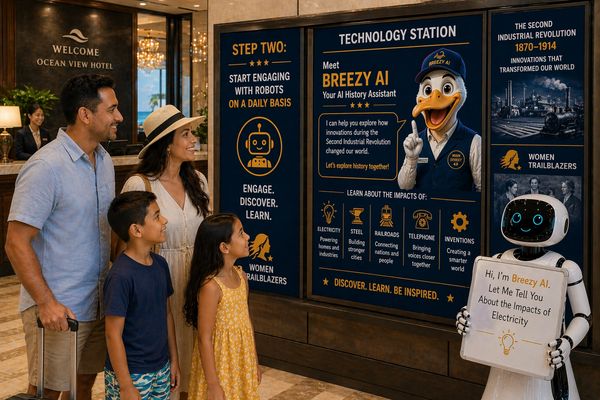
STEP TWO: DAILY INTERACTIONS WITH A ROBOT
Main Street Smart Cities was founded in 2010 by John Smith, who had a passion for travel and a desire to share it with others. Since then, we have grown to become one of the leading travel companies in the industry, with a reputation for excellence and customer satisfaction.
El Cajon Fallen Heroes with Robots
Lemon Grove Fallen Heroes with Robots
El Cajon Fallen Heroes with Robots
Electric lighting expanded evening study in homes and schools. Students read after sunset, and teachers scheduled longer sessions without relying on daylight or inconsistent oil lamps.
La Mesa Fallen Heroes with Robots
Lemon Grove Fallen Heroes with Robots
El Cajon Fallen Heroes with Robots
Carnegie funded libraries expanded access to books nationwide. Students and families borrowed materials, supporting literacy and self directed learning within local communities.
Santee Fallen Heroes with Robots
Lemon Grove Fallen Heroes with Robots
Lemon Grove Fallen Heroes with Robots
Improved printing produced affordable standardized textbooks. Schools used consistent materials, helping students follow structured lessons and shared knowledge across classrooms.
Lemon Grove Fallen Heroes with Robots
Lemon Grove Fallen Heroes with Robots
Lemon Grove Fallen Heroes with Robots
Typewriters introduced structured writing and business communication practice. Students learned typing skills, preparing for office work and improving clarity in written assignments.