

RISE OF A SUBURBAN LIFESTYLE
Main Street 1.0 tells the early story of communities learning to rise through challenge and change. The years from 1750 to 1830 brought new tools, new ideas, and a growing belief that local people could solve local problems. Water-powered mills, improved roads, and early postal routes helped neighbors share knowledge more quickly and support one another during
LANDING PAGE CONTENT
- Main Street History Regions
- Family and Social Life Impacts
- Economic Impacts
- Infrastructure Impacts
- Educational Impacts

The Social Impact of Innovation
The Infrastructure Impact of Innovation
The Economic Impact of Innovation
Innovation sparked new connections, expanded communication, strengthened families, increased opportunity, and reshaped daily routines, helping Main Street residents feel more supported, empowered, and linked to a wider world.
The Economic Impact of Innovation
The Infrastructure Impact of Innovation
The Economic Impact of Innovation
New machines, improved transport, and expanding markets fueled rising productivity, lowered costs, created new trades, strengthened local commerce, and pushed Main Street toward a more connected, opportunity-driven economy.
The Infrastructure Impact of Innovation
The Infrastructure Impact of Innovation
The Infrastructure Impact of Innovation
Innovations expanded roads, powered mills, improved mail routes, and linked markets, strengthening Main Street infrastructure, boosting commerce, supporting families, and preparing early American communities for rapid growth ahead. Click below to follow our progress.
The Educational Impact of Innovation
The Infrastructure Impact of Innovation
The Infrastructure Impact of Innovation
Innovation expanded access to learning, improved literacy, spread new ideas, connected rural families, strengthened community identity, and laid the groundwork for future Main Street education reforms through expanding communication networks. Click below to follow us.
Mainframe Computing's Impact
The Internet's Impact on Main Street
Mainframe Computing's Impact
Large centralized computers enabled governments and corporations to process data at scale, transforming research, defense, and finance. Foundations for modern digital infrastructure began here.
Integrated Circuits Impact
The Internet's Impact on Main Street
Mainframe Computing's Impact
Microchips replaced bulky components, shrinking computers while boosting speed and reliability. This breakthrough made electronics scalable and affordable for widespread commercial use.
Personal Computer's Impact
The Internet's Impact on Main Street
The Internet's Impact on Main Street
Computers moved into homes and offices, giving individuals direct access to digital tools. Productivity, communication, and creativity expanded across everyday life.
The Internet's Impact on Main Street
The Internet's Impact on Main Street
The Internet's Impact on Main Street
The Get to Know Lemon Grove's Fallen Heroes VR World showcases America's conflict and tells the stories of local heroes who made the ultimate sacrifice for the Future of Lemon Grove.
Mobile Technology's Impact
Global Positioning System GPS
Mobile Technology's Impact
Smartphones placed computing power in pockets, enabling constant communication and access to information. Daily life became faster, more flexible, and location independent.
Cloud Computing's Impact
Global Positioning System GPS
Mobile Technology's Impact
Data storage and software moved online, reducing reliance on physical hardware. Businesses scaled quickly while individuals accessed services from anywhere.
Automation and Robotics
Global Positioning System GPS
Global Positioning System GPS
Machines began performing repetitive and complex tasks with precision. Industries increased efficiency while reshaping labor and production systems.
Global Positioning System GPS
Global Positioning System GPS
Global Positioning System GPS
Satellite navigation enabled precise location tracking for transportation, logistics, and personal use. Travel, delivery systems, and mapping became more efficient and reliable.
Renewable Energy Technologies
Artificial Intelligence Impacts
Renewable Energy Technologies
Solar, wind, and battery innovations expanded clean energy adoption worldwide. Energy systems shifted toward sustainability and reduced dependence on fossil fuels.
Biotechnology Advances
Artificial Intelligence Impacts
Renewable Energy Technologies
Genetic research and medical technologies improved diagnostics, treatments, and life expectancy. Healthcare became more targeted, efficient, and data driven.
Artificial Intelligence Impacts
Artificial Intelligence Impacts
Artificial Intelligence Impacts
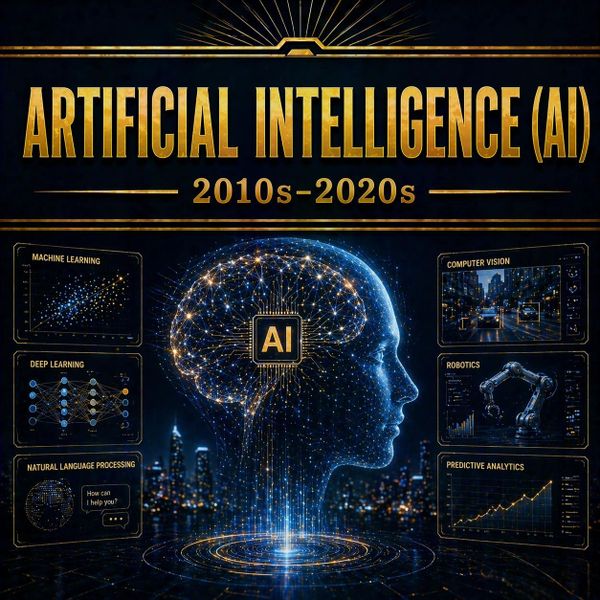
Machines learned from data to automate decisions, analyze patterns, and enhance human capability. AI began transforming industries from healthcare to finance.
E-Commerce Platforms
Artificial Intelligence Impacts
Artificial Intelligence Impacts
Online marketplaces changed how people buy and sell goods globally. Retail expanded beyond physical stores, creating new business models and consumer behaviors.
IMMERSIVE MEMORIALS
Main Street Smart Cities was founded in 2015 by a group of travel enthusiasts who wanted to make it easier for people to discover new destinations, cultures, and experiences. Our team is passionate about travel and we believe that everyone deserves to have amazing adventures.

STEP ONE: VISIT TECHNOLOGY STATION
Main Street Smart Cities was founded by a group of travel enthusiasts with a passion for exploring the world. Our goal is to share our love of travel with others and help them create unforgettable memories.
STEP TWO: VIEW YOUR FIRST VR EXPERIENCE
We offer travel packages to some of the most breathtaking destinations around the world, from exotic tropical islands to bustling cities. Let us help you plan your next adventure.
Credit Cards Expand Consumer Spending
Credit Cards Expand Consumer Spending
Credit Cards Expand Consumer Spending
Credit cards enabled faster and more flexible purchasing. A small business owner serves more customers as families spend without carrying cash, increasing daily transaction volume.
Barcodes Accelerate Retail Checkout
Credit Cards Expand Consumer Spending
Credit Cards Expand Consumer Spending
Barcodes improved speed and accuracy at checkout counters. A grocery clerk scans items quickly while customers move through lines faster, supporting higher sales and better inventory tracking.
ATM Expand Banking Access
Credit Cards Expand Consumer Spending
PC's Improve Small Business
ATMs allowed customers to access cash anytime. A working parent withdraws money after hours, increasing convenience and supporting extended economic activity beyond traditional bank schedules.
PC's Improve Small Business
Credit Cards Expand Consumer Spending
PC's Improve Small Business
Personal computers streamlined accounting, inventory, and communication. A shop owner manages records digitally, reducing manual errors and improving efficiency in daily business operations.
IMMERSIVE MEMORIALS
Main Street Smart Cities was founded in 2015 by a group of travel enthusiasts who wanted to make it easier for people to discover new destinations, cultures, and experiences. Our team is passionate about travel and we believe that everyone deserves to have amazing adventures.
STEP ONE: VISIT TECHNOLOGY STATION
Main Street Smart Cities was founded by a group of travel enthusiasts with a passion for exploring the world. Our goal is to share our love of travel with others and help them create unforgettable memories.
STEP TWO: VIEW YOUR FIRST VR EXPERIENCE
We offer travel packages to some of the most breathtaking destinations around the world, from exotic tropical islands to bustling cities. Let us help you plan your next adventure.
Jet Travel Expands Connectivity
Container Shipping Standardizes Freight
Interstate Highways Improve Access
Commercial jets connected cities faster than ever before. A business traveler reaches distant markets quickly, supporting trade, tourism, and stronger economic ties between Main Street communities.
Interstate Highways Improve Access
Container Shipping Standardizes Freight
Interstate Highways Improve Access
Interstate highways enabled the efficient movement of people and goods. A delivery driver transports products across regions faster, supporting business growth and expanding customer reach.
Container Shipping Standardizes Freight
Container Shipping Standardizes Freight
Container Shipping Standardizes Freight
Container shipping streamlined global and domestic logistics. A port worker loads standardized containers efficiently, reducing costs and improving supply chain reliability for local businesses.
Modern Electrical Grid Expands
Container Shipping Standardizes Freight
Container Shipping Standardizes Freight
Improved electrical systems supported growing business demands. A shop owner operates more equipment reliably, supporting longer hours and consistent service across Main Street operations.
IMMERSIVE MEMORIALS
Main Street Smart Cities was founded in 2015 by a group of travel enthusiasts who wanted to make it easier for people to discover new destinations, cultures, and experiences. Our team is passionate about travel and we believe that everyone deserves to have amazing adventures.
STEP ONE: VISIT TECHNOLOGY STATION
Main Street Smart Cities was founded by a group of travel enthusiasts with a passion for exploring the world. Our goal is to share our love of travel with others and help them create unforgettable memories.
STEP TWO: VIEW YOUR FIRST VR EXPERIENCE
We offer travel packages to some of the most breathtaking destinations around the world, from exotic tropical islands to bustling cities. Let us help you plan your next adventure.
Overhead Projectors Support Classroom
Overhead Projectors Support Classroom
Overhead Projectors Support Classroom
Overhead projectors allowed teachers to present lessons visually. Students followed along together, improving understanding through shared visuals and more structured classroom instruction.
Calculators Improve Math Learning
Overhead Projectors Support Classroom
Overhead Projectors Support Classroom
Calculators helped students perform complex calculations quickly. A teacher guides problem solving while students focus on concepts instead of manual computation errors.
Personal Computers Expand Learning
Overhead Projectors Support Classroom
Educational Television Expands Access
Personal computers introduced digital tools into classrooms. Students typed assignments and used educational software, improving research skills and supporting new forms of learning.
Educational Television Expands Access
Overhead Projectors Support Classroom
Educational Television Expands Access
Educational programs brought lessons into homes and schools. Students watched structured content that reinforced classroom topics and expanded exposure to new ideas.